The Future of Infrastructure Development in India
12
April
The Future of Infrastructure Development in India
Infrastructure plays a critical role in shaping the economic growth and global competitiveness of any nation. In India, rapid urbanization, population growth, and government initiatives are driving an unprecedented demand for modern, efficient, and sustainable infrastructure. From highways and smart cities to advanced construction technologies, the future of infrastructure development in India is evolving at a fast pace.
Growing Demand for Infrastructure
India is one of the fastest-growing economies in the world, and with this growth comes the need for strong infrastructure. Expanding road networks, improving connectivity between cities, and developing rural infrastructure are key priorities.
Government initiatives such as Bharatmala, Smart Cities Mission, and National Infrastructure Pipeline are playing a major role in boosting infrastructure development across the country. These programs aim to enhance logistics efficiency, reduce travel time, and support economic activities.
Adoption of Modern Technologies
The future of infrastructure lies in the adoption of advanced technologies that improve efficiency and quality. Construction companies are increasingly using:
-
Building Information Modeling (BIM) for better project planning
-
Automation and advanced machinery for faster execution
-
Drones and AI for site monitoring and data analysis
-
Precast and modular construction techniques for time-saving
These technologies not only speed up construction but also ensure higher precision and reduced costs.
Focus on Sustainable Development
Sustainability is becoming a core aspect of infrastructure projects in India. There is a growing emphasis on:
-
Eco-friendly construction materials
-
Energy-efficient designs
-
Waste management systems
-
Reduced carbon footprint
Green infrastructure is no longer optional — it is essential for long-term environmental and economic balance.
Public-Private Partnerships (PPP)
Public-Private Partnerships are playing a crucial role in accelerating infrastructure growth. By combining government support with private sector efficiency, PPP models enable large-scale project execution with better funding and risk management.
This collaborative approach is expected to drive more innovation and improve project delivery timelines in the coming years.
Urbanization and Smart Cities
With increasing migration to urban areas, the demand for smart and well-planned cities is rising. Smart city projects focus on:
-
Intelligent traffic management
-
Efficient public transport systems
-
Smart utilities and digital infrastructure
-
Improved quality of life for citizens
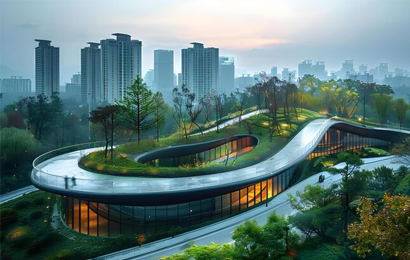
These developments are transforming the way cities function and are setting new standards for urban living.
Challenges and Opportunities
While the future is promising, infrastructure development also faces challenges such as land acquisition issues, regulatory approvals, and funding constraints. However, these challenges also open opportunities for innovation, better planning, and policy reforms.
Companies that can adapt to changing technologies and maintain high-quality standards will lead the industry in the future.
Conclusion
The future of infrastructure development in India is driven by innovation, sustainability, and strong policy support. As the country continues to grow, the need for reliable and high-quality infrastructure will only increase.
Organizations like Tiranga Infrastructure are playing a vital role in this transformation by delivering projects that meet modern standards and contribute to the nation’s progress.